Environment
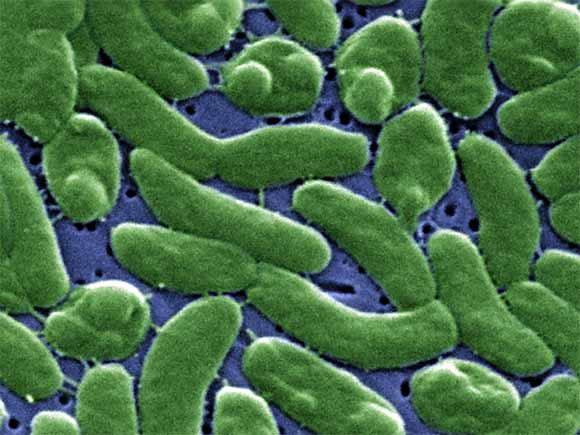
Climate change creates many intestinal bacteria
Climate change is the main cause of some intestinal infectious bacteria in Northern Europe. This is unusual because the bacteria often grow in warm and tropical environm…
Browse ScienceInfo articles and explainers related to Infectious Disease.
231 published items.
Climate change is the main cause of some intestinal infectious bacteria in Northern Europe. This is unusual because the bacteria often grow in warm and tropical environm…

More than two decades ago, public health experts warned: Climate change will harm human health.

Just less than 2km from Manhattan - one of the most densely populated places in the world - less than 2 kilometers away, a small, unknown island has been abandoned for a…
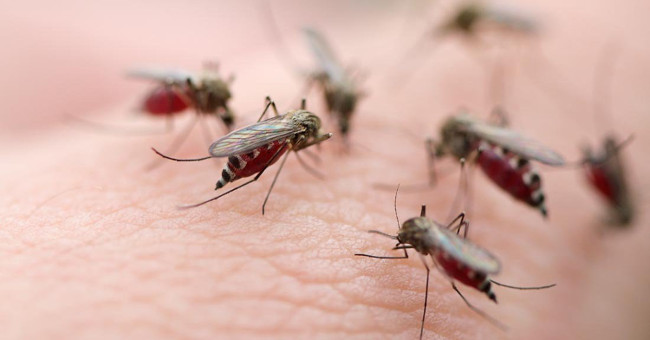
Dengue fever is an acute infectious disease caused by a virus called Dengue (Dague). Mosquito-borne mosquitoes carry blood from the sick to healthy people.

Louis Pasteur is recognized by the world as the father of vaccines, but the first person to lay the foundation for vaccination is Edward Jenner, an honorary doctor in th…

The saying 'failure is a successful mother' is probably right in the field of scientific research. In order to achieve a scientific achievement, researchers must perform…
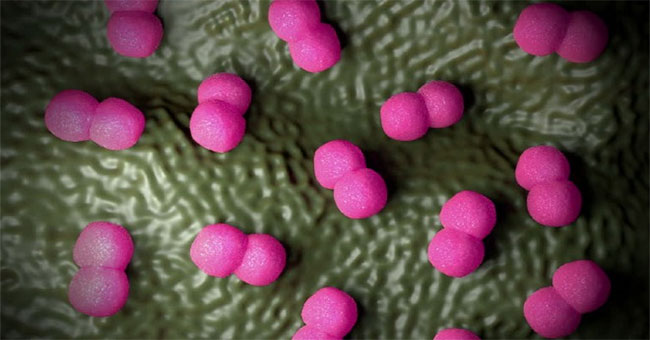
The reservoir of meningococcal bacteria in nature is in humans, so the main source of infection is patients and healthy people carrying bacteria.

Flies carry bacteria from the last place they set their feet and can lay eggs on food if they are female, according to Tasting Table.

Hand, foot and mouth disease is a viral infection occurring in young children that is easy to cause a large epidemic but does not have a specific medication. Young child…
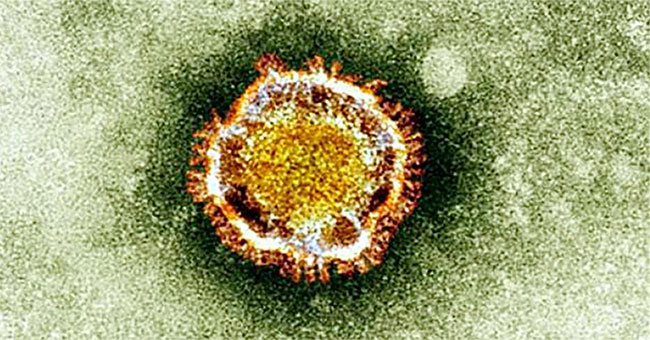
The 61-year-old man was diagnosed with Middle Eastern respiratory tract respiratory syndrome (MERS), currently treated and isolated in Seoul.

When scientists hide in the toilet, they count only 67% of people wash their hands before going out. Many people, especially men, do not do this after urinating.
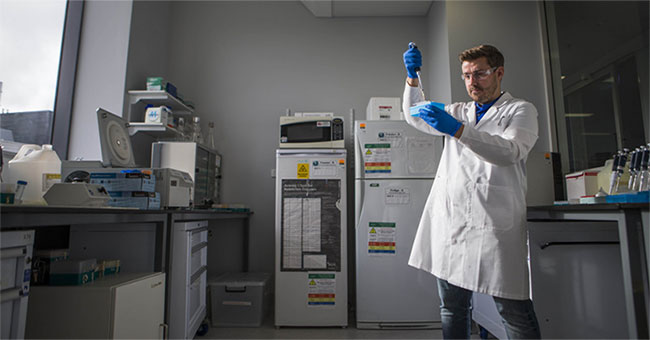
This device helps detect early infectious diseases such as malaria, has the ability to save millions of lives and minimize the impact of disease in areas prone to infect…
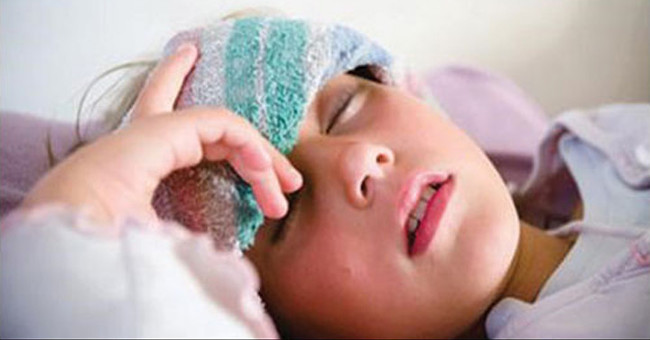
Japanese encephalitis is an acute infectious disease because a virus has an affinity for brain tissue. The disease often leaves serious sequelae and high mortality rates.
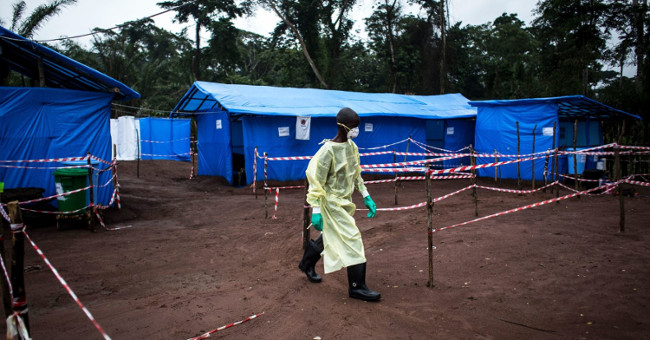
The World Health Organization (WHO) has confirmed that the Ebola virus has raised its head in Africa from April 4 to May 13 and caused painful deaths recently announced…
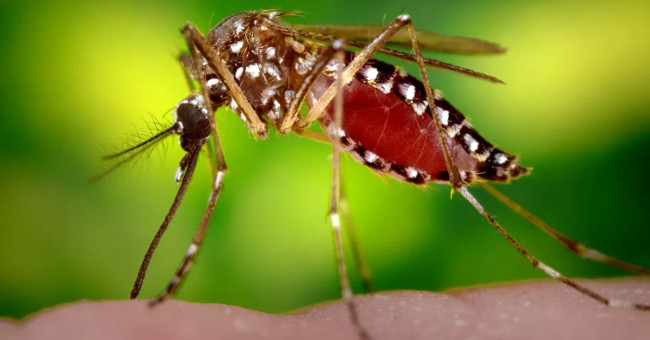
The discovery of the virus in the patient's semen causes researchers to suspect that the possibility of dengue dengue may spread through sex.